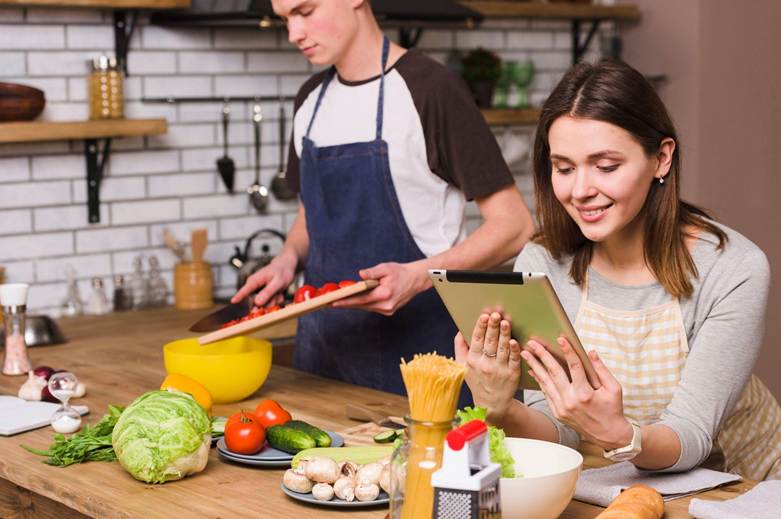
Cooking at home is often viewed as a way to save money, but its benefits extend far beyond lowering grocery bills. Anthony Comorat explores how developing a few fundamental kitchen skills can make home cooking more enjoyable, reduce dependence on expensive prepared foods, and build confidence that lasts for years. Rather than mastering complex recipes, learning simple techniques allows anyone to prepare satisfying meals using everyday ingredients.
Many people avoid cooking because they believe it requires professional training or specialized equipment. In reality, the most valuable kitchen skills are surprisingly simple. Once these basics become second nature, preparing meals becomes faster, less stressful, and significantly more affordable than relying on restaurant meals or takeout.
Why Basic Cooking Skills Matter
Every home cook starts somewhere. Learning foundational techniques creates a strong base that makes trying new recipes and experimenting with different ingredients much easier.
Basic cooking skills help people:
- Prepare meals more efficiently
- Reduce reliance on packaged convenience foods
- Make better use of groceries
- Feel more confident in the kitchen
- Adapt recipes using available ingredients
Instead of memorizing dozens of recipes, developing practical techniques gives cooks the flexibility to prepare a wide variety of meals.
Learn Safe and Efficient Knife Skills
One of the first skills every home cook should develop is learning how to handle a kitchen knife safely and effectively.
Simple improvements include:
- Holding the knife correctly
- Using a stable cutting board
- Creating uniform cuts for even cooking
- Keeping knives properly sharpened
- Organizing ingredients before cooking
Efficient knife skills save time while improving both safety and the appearance of finished meals.
Understand Basic Cooking Methods
Many recipes rely on the same cooking techniques repeated in different ways. Becoming familiar with these methods opens the door to countless meal possibilities.
Useful techniques include:
- Sautéing
- Roasting
- Steaming
- Boiling
- Baking
- Simmering
Learning when to use each method helps cooks prepare vegetables, proteins, grains, and sauces with greater confidence.
Build Meals Around Simple Ingredients
Affordable home cooking rarely depends on expensive specialty products. Instead, many satisfying meals begin with everyday pantry staples and fresh ingredients.
A balanced meal often includes:
- A protein source
- Whole grains or starches
- Seasonal vegetables
- Herbs and spices for flavor
Understanding how these ingredients work together makes it easier to prepare meals without constantly consulting recipes.
Make Simple Sauces Instead of Buying Them
Prepared sauces are convenient, but many can be made at home using basic pantry ingredients.
Simple homemade options include:
- Tomato-based pasta sauce
- Vinaigrettes
- Yogurt-based sauces
- Garlic herb butter
- Basic marinades
Preparing these items at home often costs less while allowing greater control over ingredients and flavor.
Learn to Season Food Properly
Seasoning is one of the easiest ways to improve home-cooked meals. Many beginning cooks underestimate how much herbs, spices, citrus, and aromatics can transform simple ingredients.
Keeping a small collection of versatile seasonings such as garlic powder, paprika, black pepper, oregano, cumin, and dried herbs provides countless flavor combinations without requiring expensive specialty products.
Learning to taste food while cooking also helps develop confidence in adjusting seasoning gradually rather than relying strictly on measurements.
Cook Larger Portions with a Purpose
Preparing slightly larger meals can make future cooking easier.
Extra portions may become:
- Next day’s lunch
- Grain bowls
- Wraps
- Soups
- Stir-fries
- Pasta dishes
Thinking ahead while cooking allows one meal to become the starting point for several others, reducing both preparation time and food waste.
Develop the Confidence to Improvise
One of the biggest milestones for home cooks is moving beyond strict recipe dependence.
As basic skills improve, it becomes easier to:
- Substitute available ingredients
- Adjust serving sizes
- Create meals from pantry staples
- Use leftovers creatively
- Experiment with new flavor combinations
Improvisation not only builds confidence but also helps reduce unnecessary grocery purchases by making better use of what is already available.
Keep Your Kitchen Organized
A well-organized kitchen makes cooking more efficient and enjoyable.
Helpful habits include:
- Keeping frequently used tools within easy reach
- Organizing pantry items by category
- Labeling storage containers
- Rotating older ingredients to the front
- Cleaning as you cook
An organized workspace reduces frustration and allows cooks to focus on preparing meals rather than searching for ingredients or equipment.
Consistency Builds Skill Over Time
Many people expect to become confident cooks after preparing only a handful of meals. Like any skill, cooking improves through regular practice.
Trying one or two new techniques each week gradually builds familiarity with ingredients, cooking methods, and meal preparation. Over time, these small improvements make cooking feel less like a chore and more like a practical everyday habit.
The goal is not perfection but steady progress. Every meal prepared at home offers an opportunity to learn something new and become more comfortable in the kitchen.
Home Cooking Is an Investment in Everyday Life
Learning to cook is one of the few skills that provides ongoing value throughout life. Beyond financial savings, home cooking encourages healthier eating habits, greater independence, and a stronger understanding of the food we consume.
Cooking at home also creates opportunities to share meals with family and friends, experiment with new cuisines, and develop routines that support long-term well-being.
Conclusion
Home cooking does not require professional experience or expensive equipment. By learning a handful of essential kitchen skills, from safe knife techniques and basic cooking methods to seasoning, meal planning, and improvisation, anyone can prepare satisfying meals while reducing food costs.
As everyday expenses continue to rise, investing time in developing practical cooking skills offers lasting rewards. Small improvements in the kitchen can lead to greater confidence, less food waste, healthier meals, and meaningful savings that continue long after the first recipe is finished.