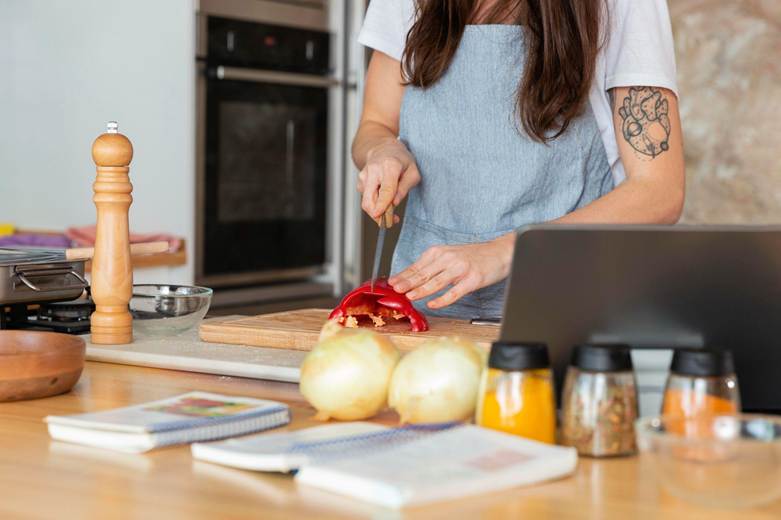
Preparing meals at home does not have to mean starting from scratch every day. Anthony Comorat explores how batch cooking allows home cooks to prepare larger quantities of food at one time and transform those ingredients into multiple meals throughout the week. Beyond saving time in the kitchen, this approach can help reduce food waste, make grocery shopping more efficient, and lower the temptation to rely on expensive takeout during busy days.
Batch cooking is not about eating the same meal every day. Instead, it focuses on preparing ingredients or complete dishes that can be mixed, matched, and repurposed into a variety of meals. With a little planning, one cooking session can provide the foundation for several breakfasts, lunches, or dinners while making home cooking more manageable.
What Is Batch Cooking?
Batch cooking involves preparing larger portions of food than needed for a single meal and storing the extras for future use. Some people cook complete meals in advance, while others prepare individual ingredients that can be combined in different ways throughout the week.
Common items prepared in batches include:
- Cooked rice or grains
- Roasted vegetables
- Grilled or baked chicken
- Ground meat
- Soups and stews
- Pasta sauces
- Beans and legumes
Having these ingredients ready makes it much easier to assemble balanced meals without spending significant time in the kitchen every day.
Save Time During Busy Weeks
One of the greatest advantages of batch cooking is reducing the amount of daily meal preparation.
Instead of cooking every evening, home cooks can complete much of the work during one or two sessions each week. This allows busy households to spend less time preparing meals while still enjoying fresh, homemade food.
Benefits include:
- Less daily cooking
- Fewer dishes to wash
- Faster weeknight dinners
- Better use of available time
- Less decision fatigue
Even preparing a few ingredients ahead of time can make evenings significantly less stressful.
Buy Ingredients More Efficiently
Batch cooking naturally supports smarter grocery shopping because meals are planned around ingredients that will be used multiple times.
Purchasing larger quantities of frequently used foods may help:
- Reduce shopping trips
- Minimize impulse purchases
- Take advantage of sales
- Improve ingredient utilization
- Lower overall food costs
Planning several meals around the same core ingredients ensures that food is used before it spoils.
Turn One Meal into Several
A well-planned batch cooking session creates opportunities to enjoy variety without preparing entirely different meals each day.
For example, roasted chicken can become:
- A dinner entrée
- Chicken salad for lunch
- Soup
- Tacos
- Pasta dishes
- Grain bowls
Similarly, roasted vegetables can be served alongside proteins, added to wraps, mixed into pasta, or incorporated into soups.
This flexibility helps prevent meals from feeling repetitive while maximizing the value of every ingredient.
Store Food Properly
Proper storage is an important part of successful batch cooking. Keeping food fresh ensures both quality and food safety.
Helpful storage practices include:
- Using airtight containers
- Labeling containers with preparation dates
- Refrigerating foods promptly
- Freezing portions that will not be eaten within several days
- Organizing older items toward the front of the refrigerator
Good storage habits help preserve flavor while reducing unnecessary waste.
Make the Freezer Work for You
The freezer can be one of the most valuable tools for anyone interested in affordable home cooking.
Many foods freeze well, including:
- Soups
- Chili
- Pasta sauces
- Cooked meats
- Rice
- Bread
Freezing extra portions provides convenient meals for future busy days while reducing the likelihood that leftovers will go unused.
Reduce Food Waste Naturally
Food waste often occurs when ingredients are purchased with good intentions but never used.
Batch cooking encourages cooks to think intentionally about how ingredients will be incorporated into multiple meals, making it easier to use fresh produce, proteins, and pantry staples efficiently.
Small habits that reduce waste include:
- Cooking only what can realistically be used
- Repurposing leftovers into new meals
- Freezing excess portions
- Planning meals around ingredients nearing the end of their freshness
Reducing waste benefits both household budgets and overall kitchen efficiency.
Keep Meals Interesting
A common misconception is that batch cooking means eating identical meals throughout the week. In reality, changing seasonings, sauces, or side dishes can create entirely different dining experiences from the same base ingredients.
For example:
- Rice can become a stir-fry, burrito bowl, or side dish.
- Ground meat can be used for pasta, tacos, stuffed peppers, or soups.
- Roasted vegetables can be added to salads, wraps, grain bowls, or omelets.
Simple variations help maintain variety without requiring additional preparation.
Build a Routine That Fits Your Schedule
There is no single right way to batch cook. Some people dedicate an afternoon each weekend to preparing meals, while others cook larger dinners and intentionally save portions for later in the week.
The key is finding a routine that fits personal schedules and cooking preferences. Even preparing just a few ingredients in advance can make home cooking more convenient and sustainable.
Conclusion
Batch cooking is about working smarter in the kitchen, not spending more time there. By preparing ingredients in advance, making the most of grocery purchases, storing food properly, and creatively repurposing leftovers, home cooks can enjoy affordable meals while simplifying their daily routines.
As grocery prices and busy schedules continue to challenge households, cooking once and eating twice offers a practical approach that saves time, reduces waste, and makes home cooking more enjoyable. With thoughtful planning and a little preparation, a single cooking session can provide the foundation for multiple satisfying meals throughout the week.